News in Diario del Puerto
In 2026, urban freight distribution has become consolidated as one of the major logistics challenges, driven by the growth of e-commerce, urban restrictions, fleet electrification, and the need to maintain rapid deliveries without skyrocketing costs.
The conference “Challenges and solutions for urban and interurban logistics for e-commerce”, held in the Clock Building of the Port of Valencia, highlighted the complexity of this scenario. Among the topics discussed were the use of micro-hubs, the delivery of bulky products, night deliveries, and the need for regulation more aligned with the operational reality of the sector.
In this context, the debate made it clear that not all solutions are applicable to any company. The DUM requires efficient, sustainable, and, above all, economically viable models.
Urban logistics as a matter of feasibility
However, in this new scenario, simply incorporating fashionable solutions is no longer enough: it is essential to adapt the supply chain to the reality of each operation. In an environment characterised by cost pressures, the complexity of the last mile, and new urban demands, logistics becomes a key competitive factor.
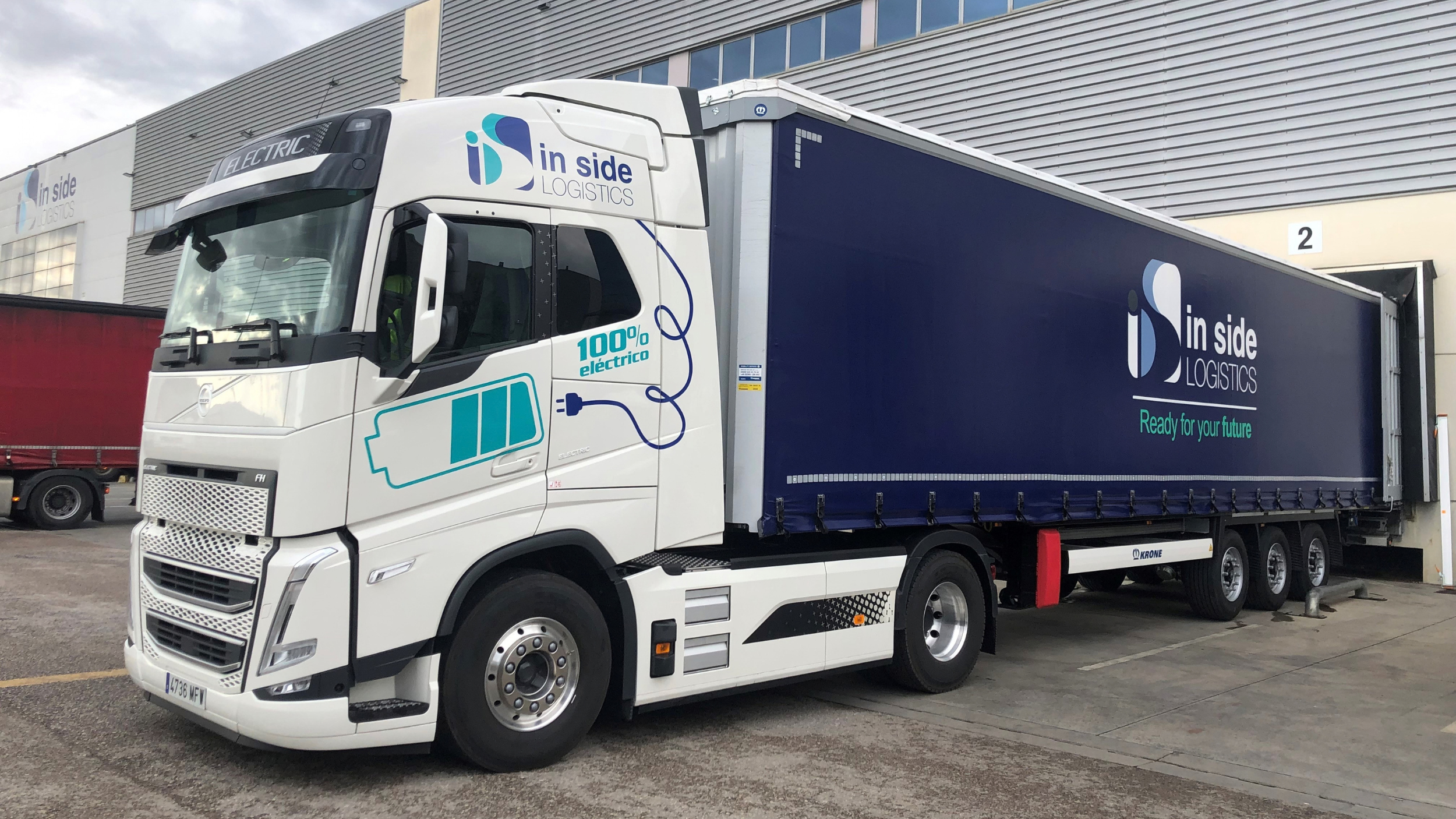
Xabi Azarloza, CEO of In Side Logistics, states: “It's a bit of a stretch to call micro-hubs a trend. Having a shop and a warehouse increases the cost of logistics operations. Not all companies can have structures like Amazon's and make such significant efforts.” Furthermore, he recalls that regulation “is out of step with the operational and technological network” and that “you have to provide the charging infrastructure yourself if you want to be competitive.”.